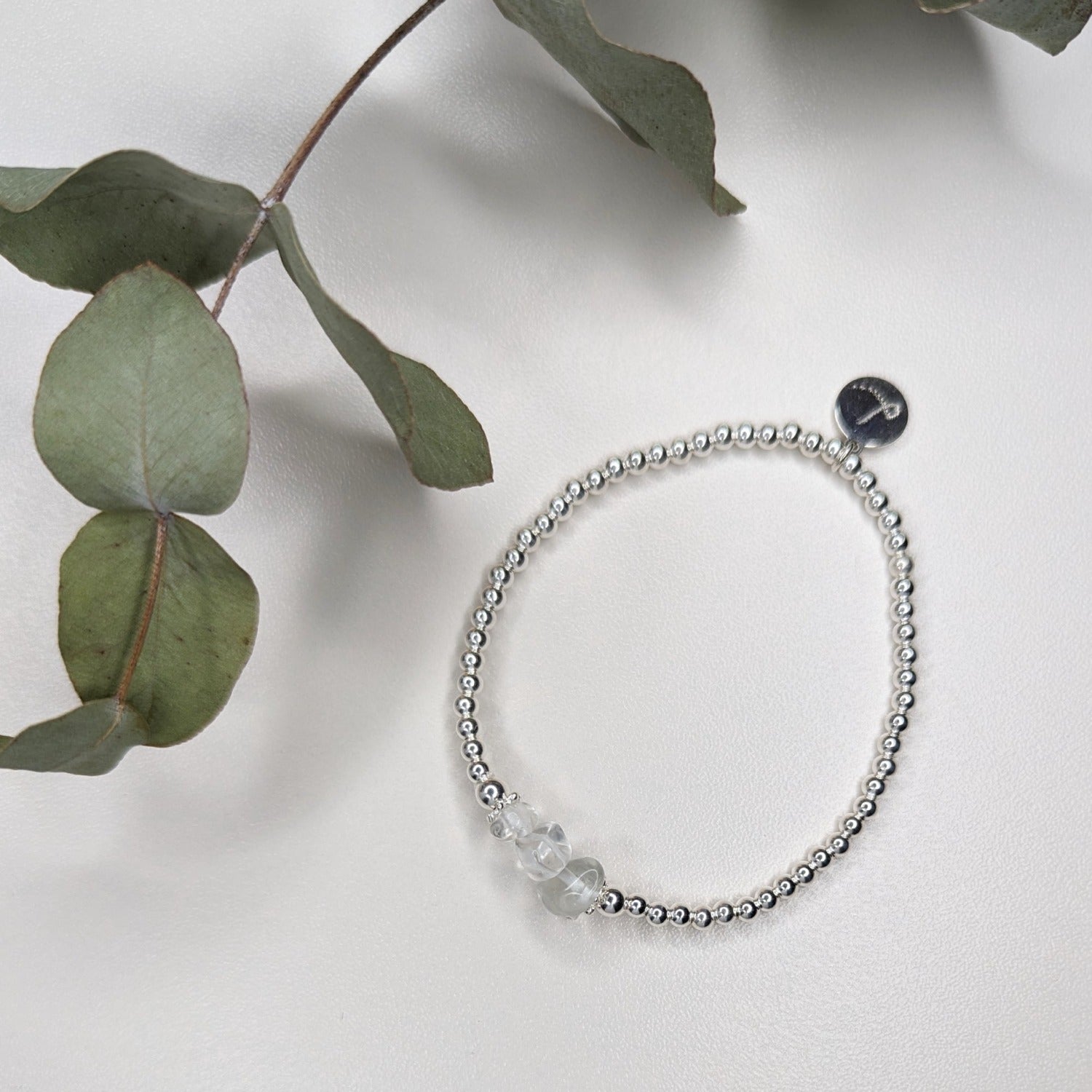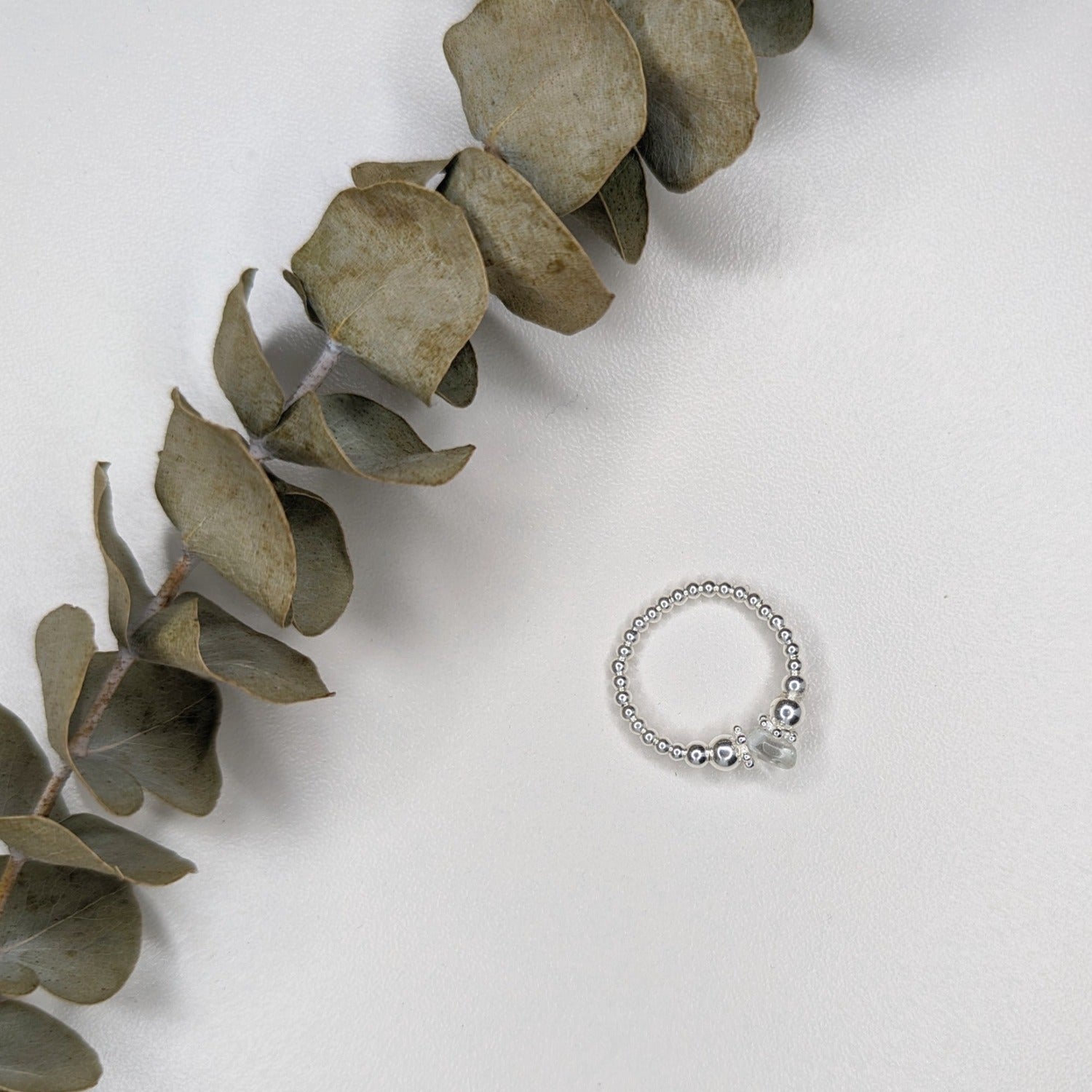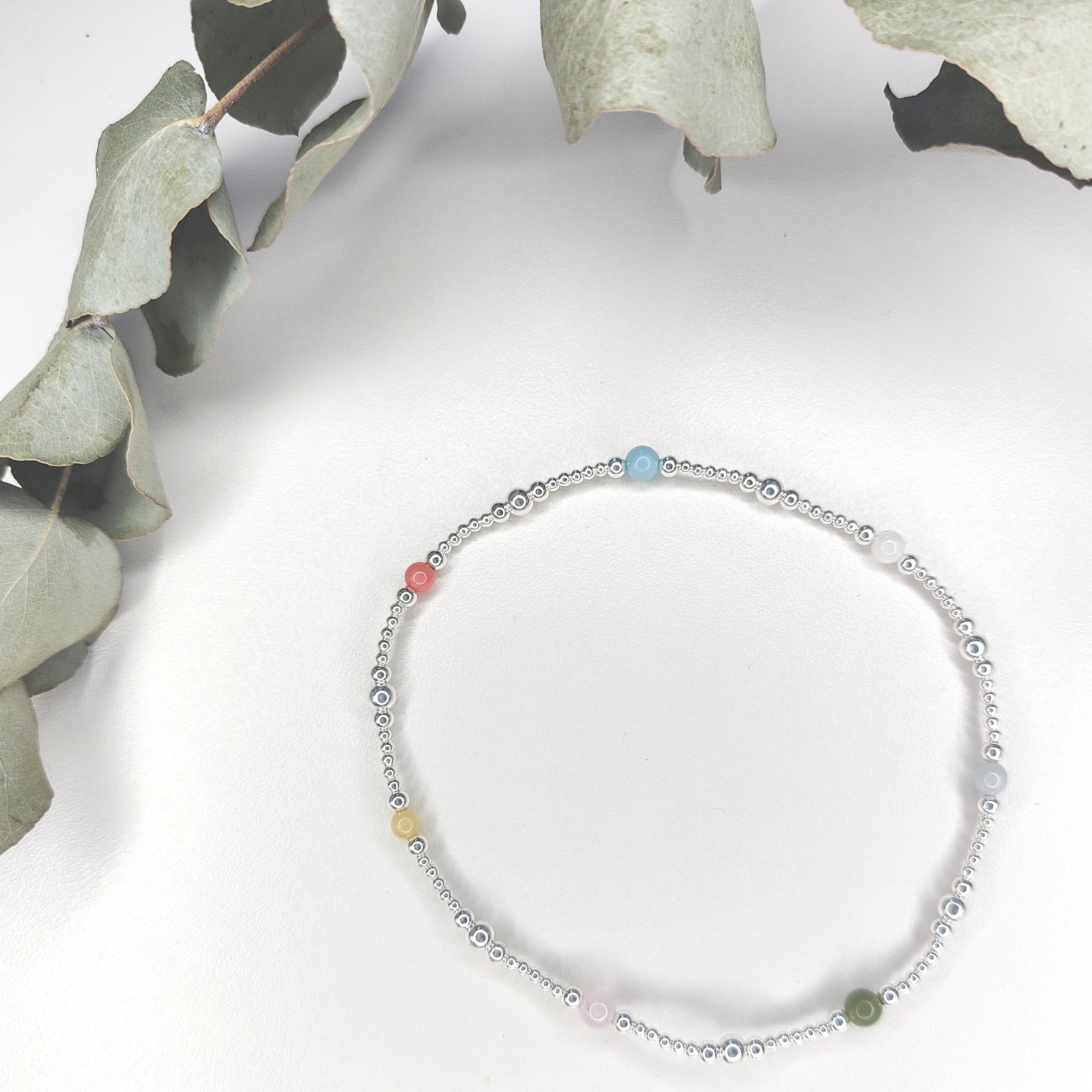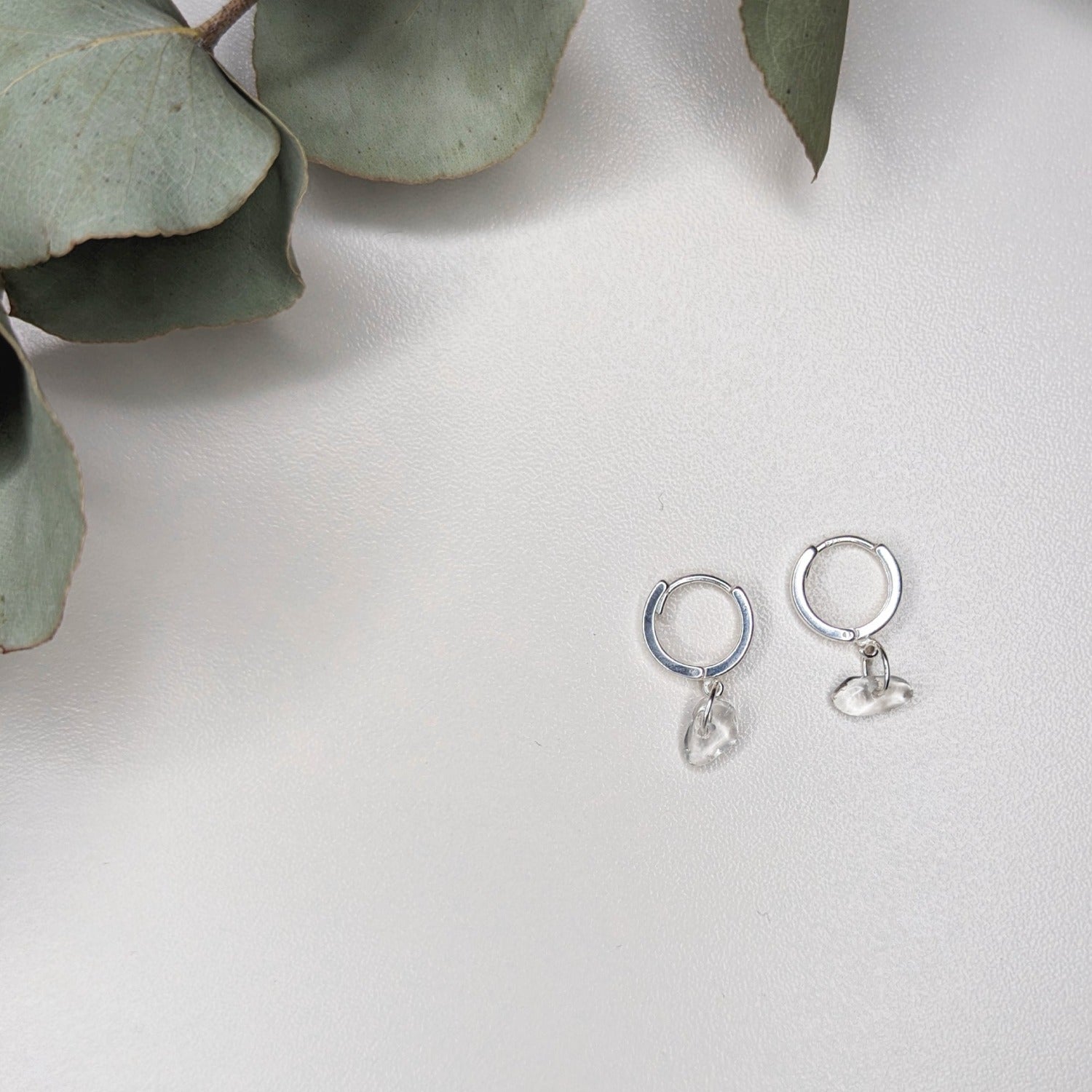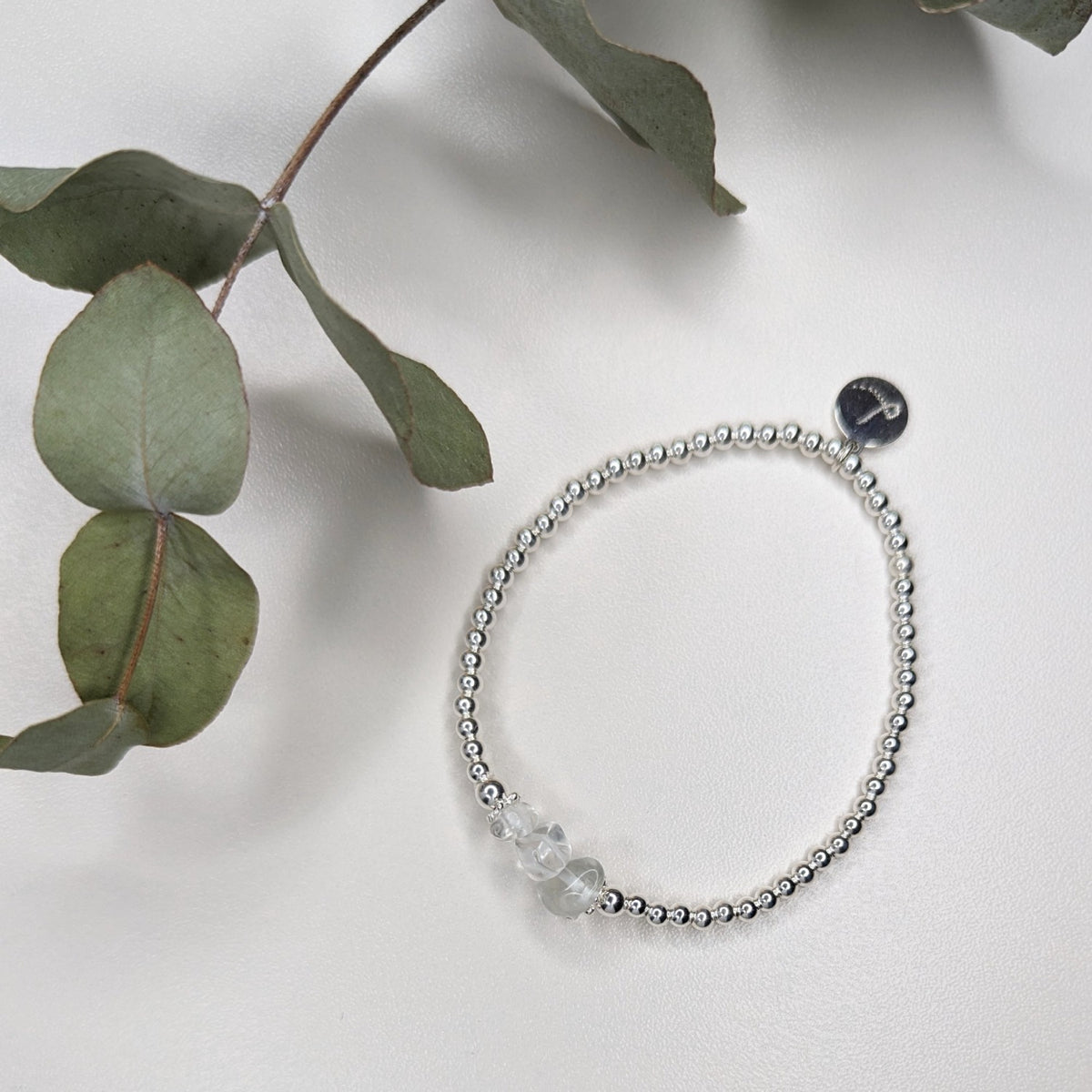


The difference comes down to three things: who makes it, what it is made from, and how long it lasts. Handcrafted demi-fine jewellery uses real metals like sterling silver 925 and 14ct gold filled, is shaped by a single maker’s hands, and is built to last years. Mass-produced jewellery from high street retailers is typically factory-stamped from gold-plated base metals that wear off within months. If you care about quality, longevity, and knowing exactly where your jewellery comes from, this guide covers the facts that matter.
I’m Lucy, and I’ve been handcrafting jewellery in my studio in Four Crosses, Powys since 2020. Every piece I make passes through my hands, from choosing the materials to shaping the wire to inspecting the clasp. This article is not about any specific brand. It is about helping you understand what separates handcrafted demi-fine jewellery from the mass-produced alternatives you will find on any high street.
What "Handcrafted" Actually Means
When I say handcrafted, I mean that one person makes your piece from start to finish. I select the materials, cut the wire, thread the beads, form the shapes, and check the quality before it reaches you. There is no production line, no factory floor, no batch of identical items rolling off a machine.
I started Lae Jewellery at my kitchen table during lockdown in 2020. The name comes from our family initials: Lucy, Alastair, and Emma. What began as making bracelets for friends grew into a full demi-fine jewellery business. Today I work from my home studio on the border of Shropshire and Wales, and every order is still made by me, one piece at a time.
That personal connection changes everything. When you buy a handcrafted piece, you know who made it, where it was made, and exactly what materials were used. With mass-produced jewellery, the maker is anonymous, the factory is overseas, and the material specifications are rarely disclosed.
The Materials Comparison: Where Quality Lives
This is where the differences become measurable. The table below compares the materials I use against what you will typically find in mass-produced jewellery from high street retailers.
| Feature | Handcrafted Demi-Fine | Mass-Produced High Street |
|---|---|---|
| Silver | Sterling silver 925 (92.5% pure silver) | Silver-plated base metal (thin coating) |
| Gold | 14ct gold filled (5% real gold by weight) | Gold plated (less than 0.5 microns) |
| Gold thickness | 50 to 100 times thicker than plating | Under 0.5 microns (thinner than a human hair) |
| Durability | 10 to 30 years (gold filled), decades (sterling silver) | 6 to 12 months before plating wears off |
| Kind to sensitive skin | Yes (both sterling silver and gold filled) | Varies (base metals may cause reactions) |
| Tarnish resistance | Gold filled will not tarnish, flake, or rub off | Plating discolours and peels with wear |
| Gemstones | Genuine semi-precious (hand-picked for quality) | Synthetic or glass alternatives |
| Personalisation | Full customisation (30+ gemstones, 6 product types) | Pre-set designs, limited charm options |
The numbers tell the story. Gold filled jewellery contains at least 5% real gold by weight, mechanically bonded under heat and pressure. That gold layer is 50 to 100 times thicker than the electroplated coating on mass-produced pieces. My gold filled vs gold plated comparison breaks this down in full detail.
Why Durability Matters More Than Price
A gold-plated bracelet from the high street might cost £15. It looks beautiful for a few months, then the plating wears through, the colour changes, and it ends up in a drawer. A gold filled bracelet costs around £25 to £35 and lasts 10 to 30 years without tarnishing, flaking, or rubbing off.
Think about cost per wear. That £15 plated bracelet worn for 6 months works out at roughly 8p per day. A £30 gold filled bracelet worn for 15 years works out at less than 1p per day. The piece that costs more upfront is the one that saves you money, and it is still on your wrist a decade later.
Sterling silver 925 follows the same logic. My sterling silver pieces can be polished and restored repeatedly. They develop a natural patina over time that many people love, and they last decades with basic care. Silver-plated jewellery cannot be restored once the thin coating wears through. My silver plated vs sterling silver guide explains the difference in detail.
Personalisation: Choosing From a Menu vs Designing Your Own
Most high street brands offer you a choice of size and colour. Perhaps a few pre-set charm options. With my Create Your Own collection, you choose every single element: the type of piece (bracelet, earrings, ring, necklace, or anklet), the metal (sterling silver or gold filled), and up to 8 gemstones from over 30 options including morganite, aquamarine, rose quartz, lapis lazuli, and turquoise.
Every Create Your Own piece is made to order in my studio and dispatched within 1 to 3 working days. That is not a factory picking from a shelf. That is me, sitting at my bench, choosing each bead and building your design by hand. Designed by you, made by me.
See the Difference for Yourself
Browse my handcrafted collection and feel the quality difference that real metals and genuine gemstones make.
How to Spot Quality When Shopping for Jewellery
Whether you buy from me or from someone else, these five checks will help you identify genuine quality.
- Check the metal specification. Look for "925" on silver pieces (meaning 92.5% pure) and "14ct gold filled" on gold pieces (meaning at least 5% real gold by weight). If the listing just says "gold colour" or "silver tone", it is likely plated.
- Ask about the gold layer thickness. Gold filled is 50 to 100 times thicker than standard gold plating. If the seller cannot tell you the thickness or gold content, that is a warning sign.
- Look for kind to sensitive skin claims with evidence. Sterling silver and gold filled are naturally kind to sensitive skin. Cheap base metals coated in thin plating can cause skin reactions once the coating wears through.
- Check the gemstones. Genuine semi-precious gemstones have natural colour variations. Perfectly uniform colour across every piece suggests synthetic or glass alternatives.
- Find the maker. Can you find the name of the person who made your piece? Can you see their workshop? Handcrafted jewellery comes with a real human story. Mass-produced pieces come with a brand name and a marketing team.
Frequently Asked Questions
Why is handmade jewellery more expensive than high street alternatives?
Handcrafted jewellery uses higher-quality materials (sterling silver 925, 14ct gold filled, genuine gemstones) and takes longer to make because one person creates each piece individually. The higher upfront cost reflects real metal content and craftsmanship. Over time, handcrafted pieces cost less per wear because they last years rather than months.
How can you tell if jewellery is handmade?
Genuine handcrafted jewellery has subtle variations between pieces because each one is made individually. Look for a named maker, a studio location, and specific material disclosures (like "925 sterling silver" or "14ct gold filled"). Factory-produced pieces are perfectly uniform and rarely disclose detailed material specifications.
Does gold filled jewellery tarnish?
No. Gold filled jewellery will not tarnish, flake, or rub off under normal wear. The gold layer is mechanically bonded under heat and pressure, making it far more durable than electroplated gold. With basic care, gold filled pieces last 10 to 30 years.
How long does gold filled jewellery last?
Gold filled jewellery lasts 10 to 30 years with proper care. The gold layer is at least 5% of the total weight and is 50 to 100 times thicker than gold plating. It is safe to wear daily, in the shower, and while sleeping.
What is the difference between handmade and handcrafted jewellery?
The terms are often used interchangeably. I use "handcrafted" because it implies a deeper level of skill and intention. Every piece is designed, shaped, and assembled by hand in my studio in Four Crosses, Powys, using sterling silver 925 and 14ct gold filled wire, chain, and genuine semi-precious gemstones.
If you are local to Shropshire or Powys, you can also book a permanent jewellery appointment from £45. It takes about ten minutes, uses the same gold filled and sterling silver I use in everything I make, and it is completely painless. A Zapp Plus 2 welder bonds the chain directly onto your wrist or ankle with a thin leather barrier to protect your skin.
If you have any questions about materials, sizing, or custom orders, just get in touch. I am always happy to help.
If you enjoyed this guide, you might also like my posts on 2026 jewellery trends, bold statement jewellery, and meaningful charms and talismans.
Lucy x